




Our mission is simple:
To help you flourish.
We believe in a strengths-based approach that deeply listens to and honors your unique story—sparking the insight, growth, and transformation needed to thrive.
Our Story
Driven by science. Grounded in care.
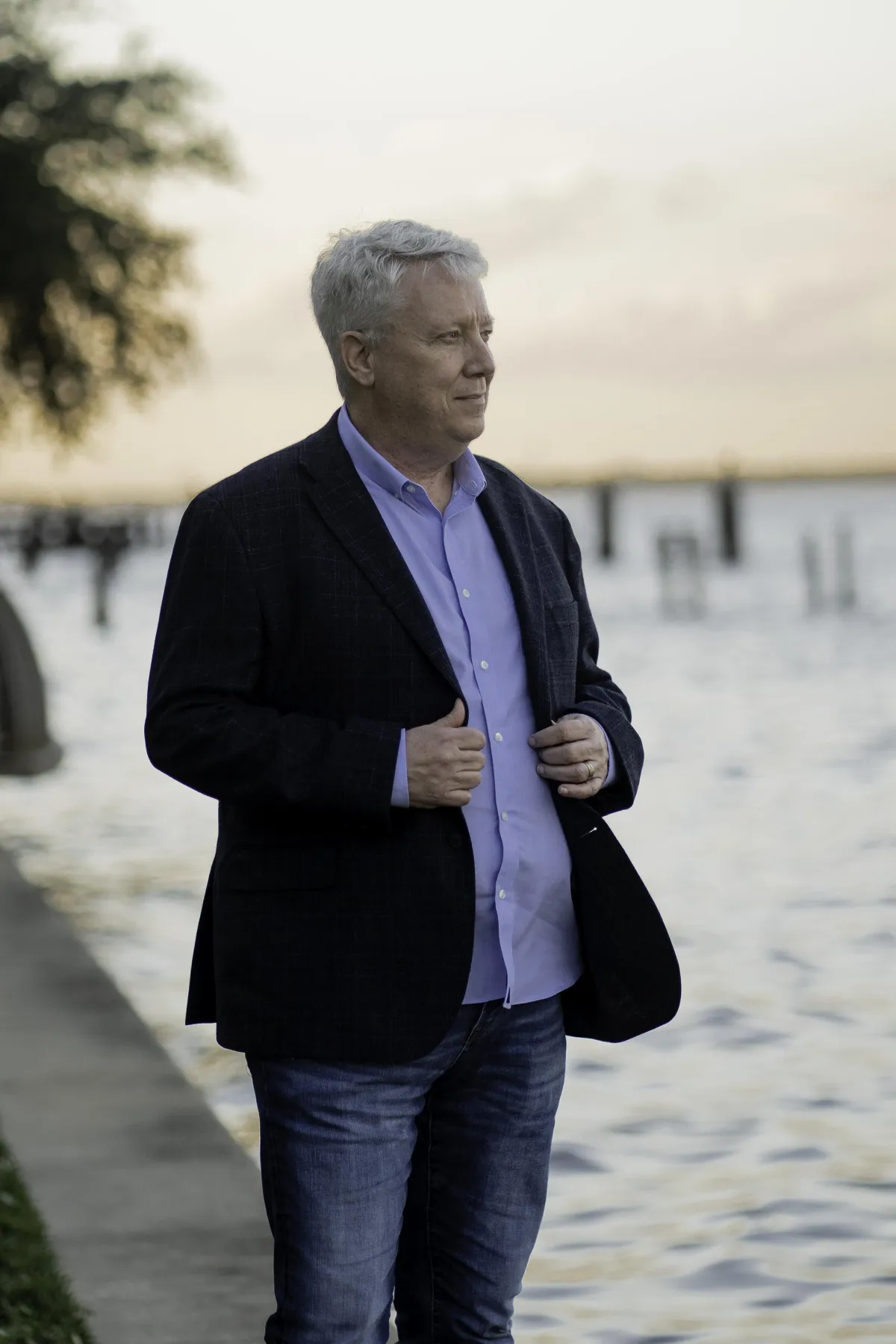
For over three decades, our founder, Dr Wayne Hammond, has asked a single, powerful question: How do we move from simply coping with life to truly flourishing?
With roots in neuroscience, clinical psychology, and resilience science, Wayne's life work is built on a core belief: that every individual and organization holds the potential to grow, adapt, and thrive - especially when facing life's toughest challenges.
As CEO of Flourising Advantage, Wayne leads the development of evidence-based tools designed to help individuals, teams, and organizations build capacity for resilience, well-being, and everyday success.
Instead of focusing on mitigating weaknesses, our approach embraces a strengths-based growth mindset. we believe that your strengths can always be developed, and that setbacks aren't failures - they are just opportunities to learn, pivot, and grow.
As CEO of Flourising Advantage, Wayne leads the development of evidence-based tools designed to help individuals, teams, and organizations build capacity for resilience, well-being, and everyday success.
Instead of focusing on mitigating weaknesses, our approach embraces a strengths-based growth mindset. we believe that your strengths can always be developed, and that setbacks aren't failures - they are just opportunities to learn, pivot, and grow.
When we focus on a person's strengths and ability to succeed, instead of managing their weakness, we empower their capacity to thrive.
- Wayne Hammond, Ph.D
At Flourishing Advantage, we believe that when people flourish, everything around them does too.
Flourishing individuals build stronger families, more innovative teams, healthier schools, and more resilient communities. That’s why we’re here—to make that possible, starting with you.
Rooted in over 30 years of research and practice, our work blends the science of resilience, positive psychology, and human performance into practical tools and strategies.
Our Flourishing Advantage framework is designed to uncover strengths, spark transformation, and empower people and organizations to thrive from the inside out.
Whether you’re a leader, educator, or individual seeking change, our mission remains the same: to unlock potential, foster well-being, and build a future where flourishing is not just possible—but sustainable.
When you flourish, everything around you does too.
Human beings are connected. when we cultivate well-being within ourselves, it ripples outward to create a healthier world.
Stronger Families
Built on mutual understanding and resilience
Innovative Teams
Empowered to collaborate and create without fear
Healthier Schools
Where educators and students thrive together.
Resilient Communities
Capable of navigating adversity with clarity and confidence
Meet our Team
At the heart of the Flourishing Advantage is a dedicated, purpose-driven team passionate about unlocking human potential and fostering thriving cultures. We're here to co-create meaningful change with you.
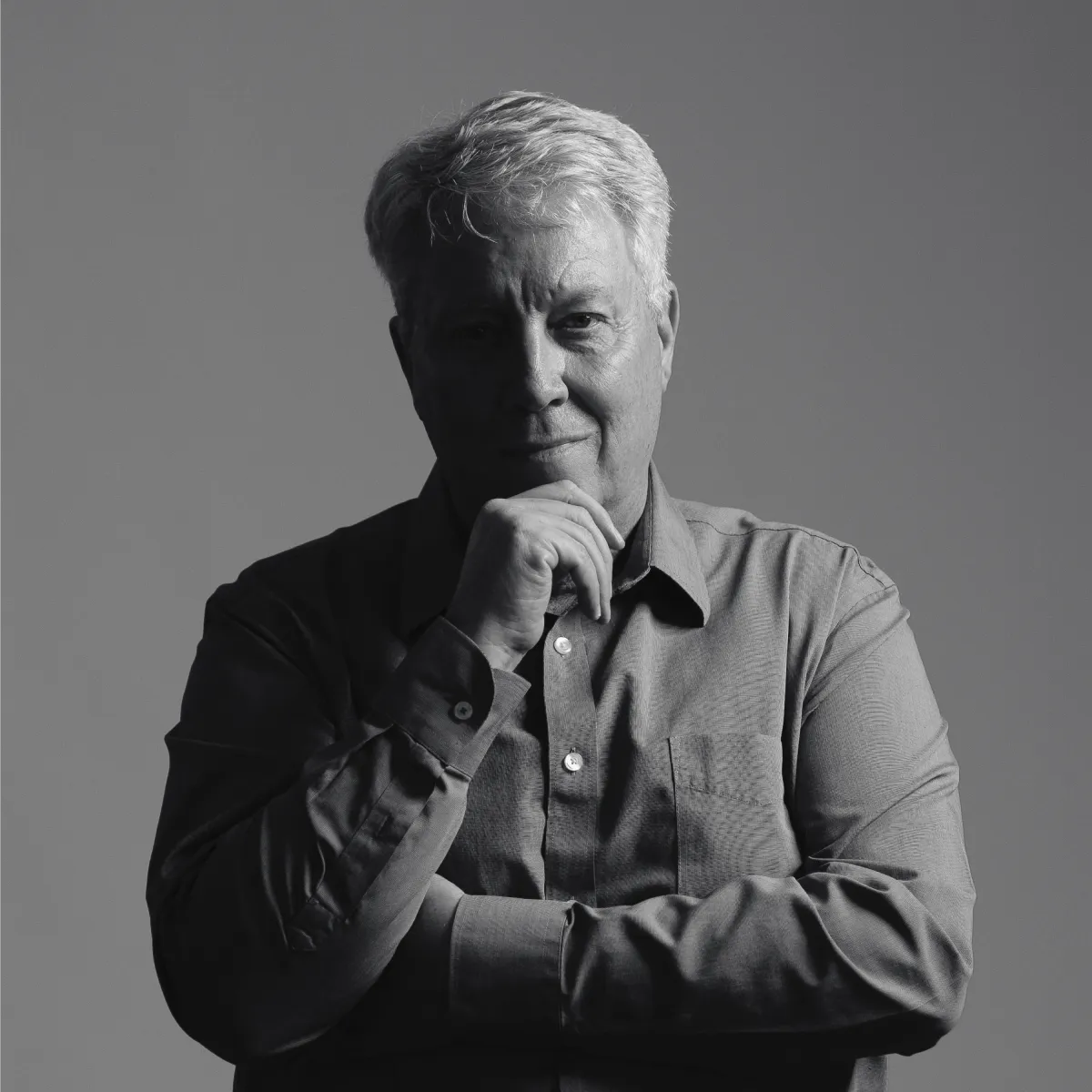
Dr. Wayne Hammond
CEO, Flourishing Life


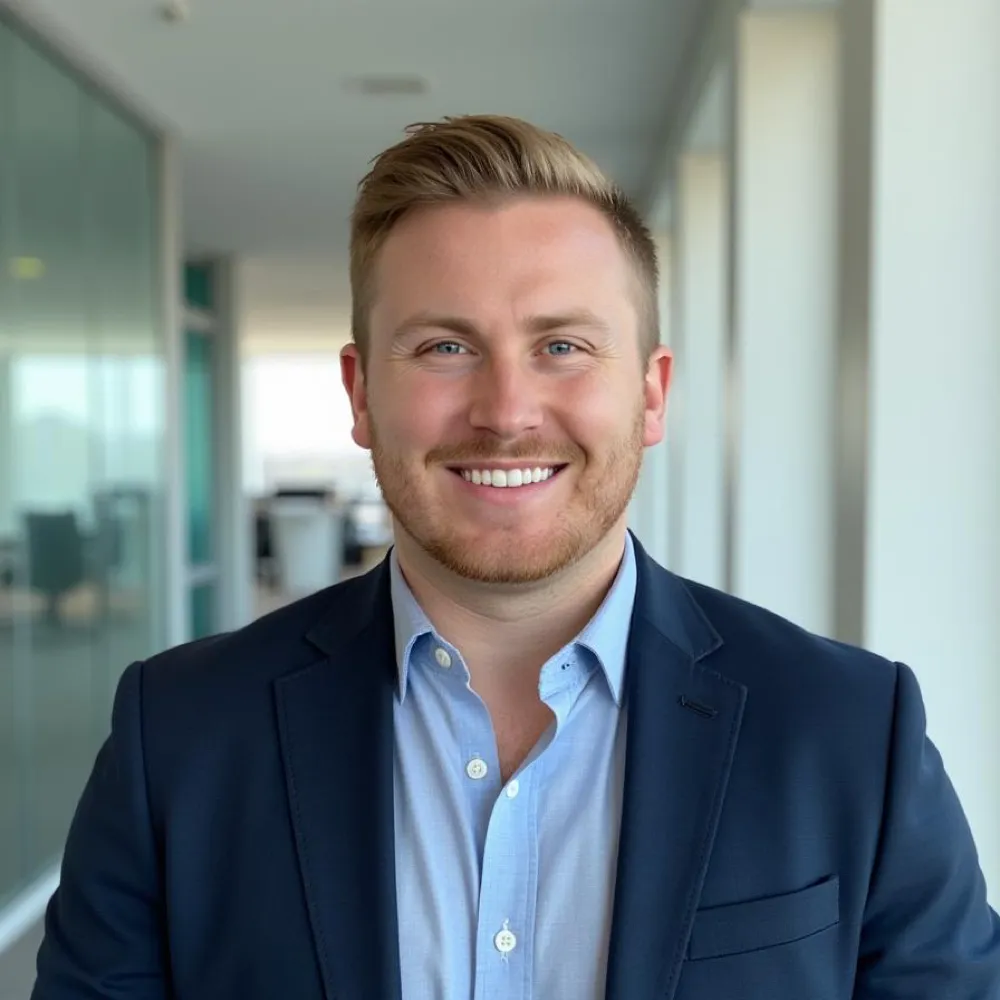
Jeff Wilson
Lead Operations & Technology

Marsha Staton Sweet
Operations & Client Success

Abe Brown
Advisor
Stay Connected. Keep Growing.
Flourishing is a journey—and we’re here to walk it with you.
Join our newsletter for the latest insights, tools, and stories to help you, your team, and your organization thrive. You'll also get access to new blog posts exploring emotional health, leadership, personal growth, and purpose-driven culture.

Flourishing Advantage in Business
An executive summary for senior, people and operational leaders. More people are struggling than thriving. That is a capacity question, not an engagement question, and capacity can be measured and grown.
People are not leaving. They are staying, and quietly running low. The familiar warning signs of a workforce in trouble have changed shape. Turnover is not spiking. What is rising instead is the number of people who stay in place while their confidence, energy and sense of direction thin out.
Recent findings from Gallup mark a historic reversal: more employees are now struggling than thriving. Belief in future job opportunities has fallen, and even high-potential people report growing pessimism. Dissatisfaction is no longer cycling out of organizations. It is building inside them.
The Flourishing Advantage reads this differently. The issue is not that people lack commitment. It is that the human capacity performance depends on, resilience, trust, learning and purpose, has been drawn down faster than it has been rebuilt. Capacity can be measured, and it can be grown.
"This is no longer an engagement problem. It is a capacity-to-thrive problem, and capacity is something an organization can deliberately build."
— Dr. Wayne Hammond, Flourishing Advantage
The current workforce reality
A shift in the nature of the challenge
Most organizations meet this moment with the tools they already trust: engagement initiatives, compensation adjustments, refreshed performance management. These are worth doing, and they are not the problem. They simply operate on the surface of a system whose foundations have shifted. They can raise a score without changing what a person is able to draw on at four o'clock on a difficult Thursday.
What has actually declined is internal: resilience and emotional regulation, trust and relational connection, learning agility and confidence, and a sense of purpose and direction. These are the human systems that make strategy executable. When they weaken, every other investment has to work harder for a smaller return. Strengthening them is unglamorous, specific work, and it is where the leverage now sits.
The four domains of flourishing
From insight to action
The Flourishing Life Questionnaire gives an organization three things it usually lacks: clear insight into individual and team strengths, a data-informed view of trends across the wider system, and a specific direction for development rather than a general instruction to do better. It starts from what is already working, which is both more accurate and easier for people to act on.
From there the work becomes ordinary in the best sense. Growth Action Plans are written for real individuals and real teams. Small, consistent practices are folded into how the week already runs. People development is aligned to business priorities, so capacity building stops being a parallel activity and becomes part of how the organization delivers.
Strategic value
A note for the reader
If you lead people, you have probably already felt what this data describes. Meetings that take more effort than they used to. Capable people who are performing without conviction. It is tempting to read that as a decline in the people themselves. It is not. It is a decline in what has been available to them, and that is a far more workable problem.
Start with what is still strong, because there is more of it than the current mood suggests. Name it out loud with your team. Then choose one domain, not four, and give it real attention for a quarter. Capacity is rebuilt the way it was drawn down, gradually and through ordinary days, and it recovers faster than most leaders expect.
Thriving is not an abstract idea or a mood that visits an organization in good years. It is a measurable and developable capacity that drives performance, culture and long-term success. Organizations that invest in it now will be the ones able to adapt, lead and succeed as conditions keep changing.
A note for HR and Learning & Development leaders
The practical implication is a change of measure. Engagement scores tell you how people feel about the organization. Capacity data tells you what they have available to give it, which is the number that predicts next year. Build a baseline first, at the individual and team level, so development decisions are made against evidence rather than impression.
Then design for conditions rather than events. Managers need permission and time to hold growth conversations, teams need enough psychological safety for honest data to surface, and practices need to live inside existing rhythms rather than beside them. Four or five conditions, held consistently, will outperform a larger program that runs once.
Future success will be determined not only by strategy, but by the capacity of people to thrive. The organizations that measure and build that capacity now will restore thriving, strengthen leadership, and hold a resilient, high-performing workforce while others wait for the market to fix it.
More for workplaces and leaders: browse Organizations, or start from the library.




© 2026 Flourishing Advantage, Ltd.
All Rights Reserved