



Our mission is simple:
To help you flourish.
We believe in a strengths-based approach that deeply listens to and honors your unique story—sparking the insight, growth, and transformation needed to thrive.
Our Story
Driven by science. Grounded in care.
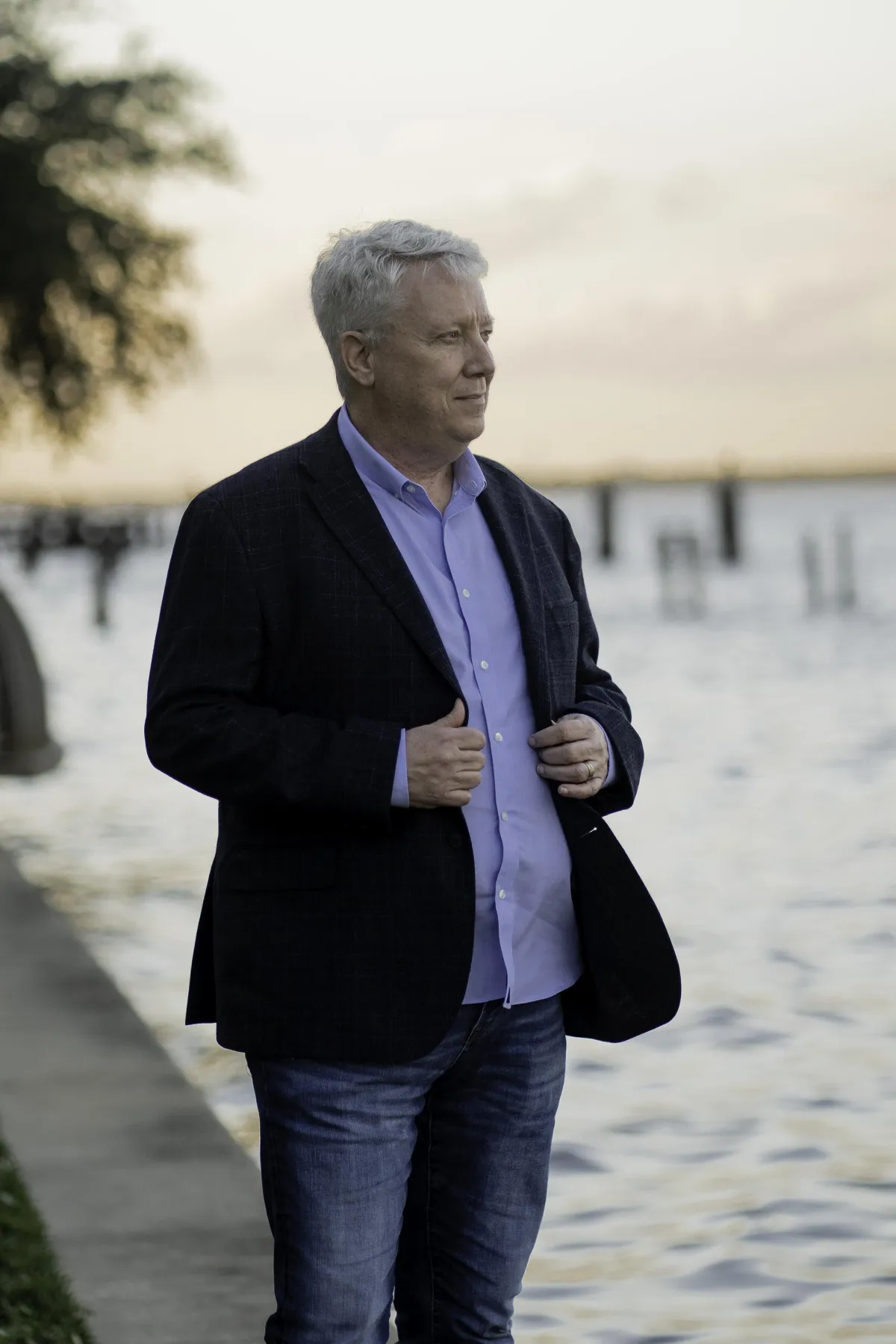
For over three decades, our founder, Dr Wayne Hammond, has asked a single, powerful question: How do we move from simply coping with life to truly flourishing?
With roots in neuroscience, clinical psychology, and resilience science, Wayne's life work is built on a core belief: that every individual and organization holds the potential to grow, adapt, and thrive - especially when facing life's toughest challenges.
As CEO of Flourising Advantage, Wayne leads the development of evidence-based tools designed to help individuals, teams, and organizations build capacity for resilience, well-being, and everyday success.
Instead of focusing on mitigating weaknesses, our approach embraces a strengths-based growth mindset. we believe that your strengths can always be developed, and that setbacks aren't failures - they are just opportunities to learn, pivot, and grow.
As CEO of Flourising Advantage, Wayne leads the development of evidence-based tools designed to help individuals, teams, and organizations build capacity for resilience, well-being, and everyday success.
Instead of focusing on mitigating weaknesses, our approach embraces a strengths-based growth mindset. we believe that your strengths can always be developed, and that setbacks aren't failures - they are just opportunities to learn, pivot, and grow.
When we focus on a person's strengths and ability to succeed, instead of managing their weakness, we empower their capacity to thrive.
- Wayne Hammond, Ph.D
At Flourishing Advantage, we believe that when people flourish, everything around them does too.
Flourishing individuals build stronger families, more innovative teams, healthier schools, and more resilient communities. That’s why we’re here—to make that possible, starting with you.
Rooted in over 30 years of research and practice, our work blends the science of resilience, positive psychology, and human performance into practical tools and strategies.
Our Flourishing Advantage framework is designed to uncover strengths, spark transformation, and empower people and organizations to thrive from the inside out.
Whether you’re a leader, educator, or individual seeking change, our mission remains the same: to unlock potential, foster well-being, and build a future where flourishing is not just possible—but sustainable.
When you flourish, everything around you does too.
Human beings are connected. when we cultivate well-being within ourselves, it ripples outward to create a healthier world.
Stronger Families
Built on mutual understanding and resilience
Innovative Teams
Empowered to collaborate and create without fear
Healthier Schools
Where educators and students thrive together.
Resilient Communities
Capable of navigating adversity with clarity and confidence
Meet our Team
At the heart of the Flourishing Advantage is a dedicated, purpose-driven team passionate about unlocking human potential and fostering thriving cultures. We're here to co-create meaningful change with you.
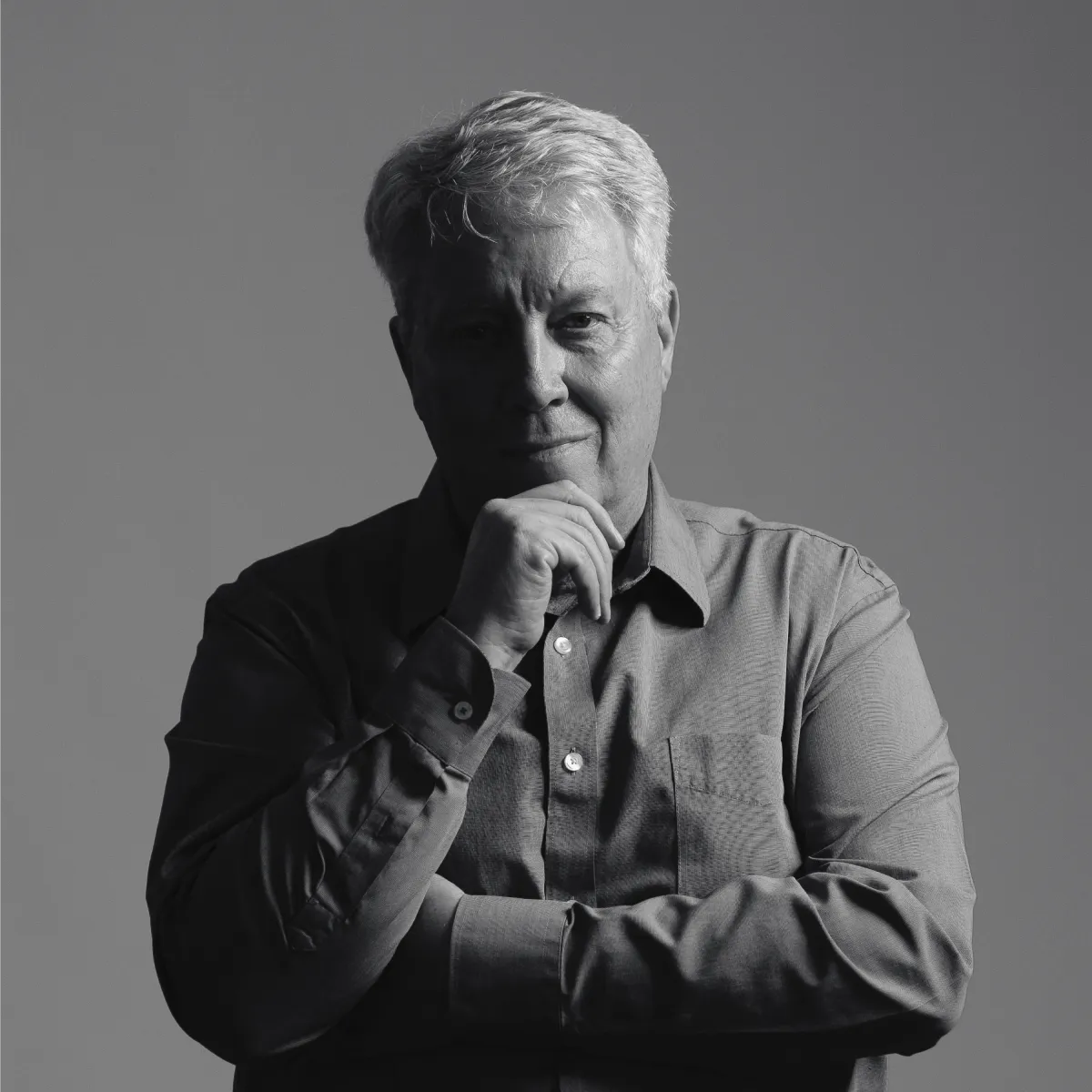
Dr. Wayne Hammond
CEO, Flourishing Life


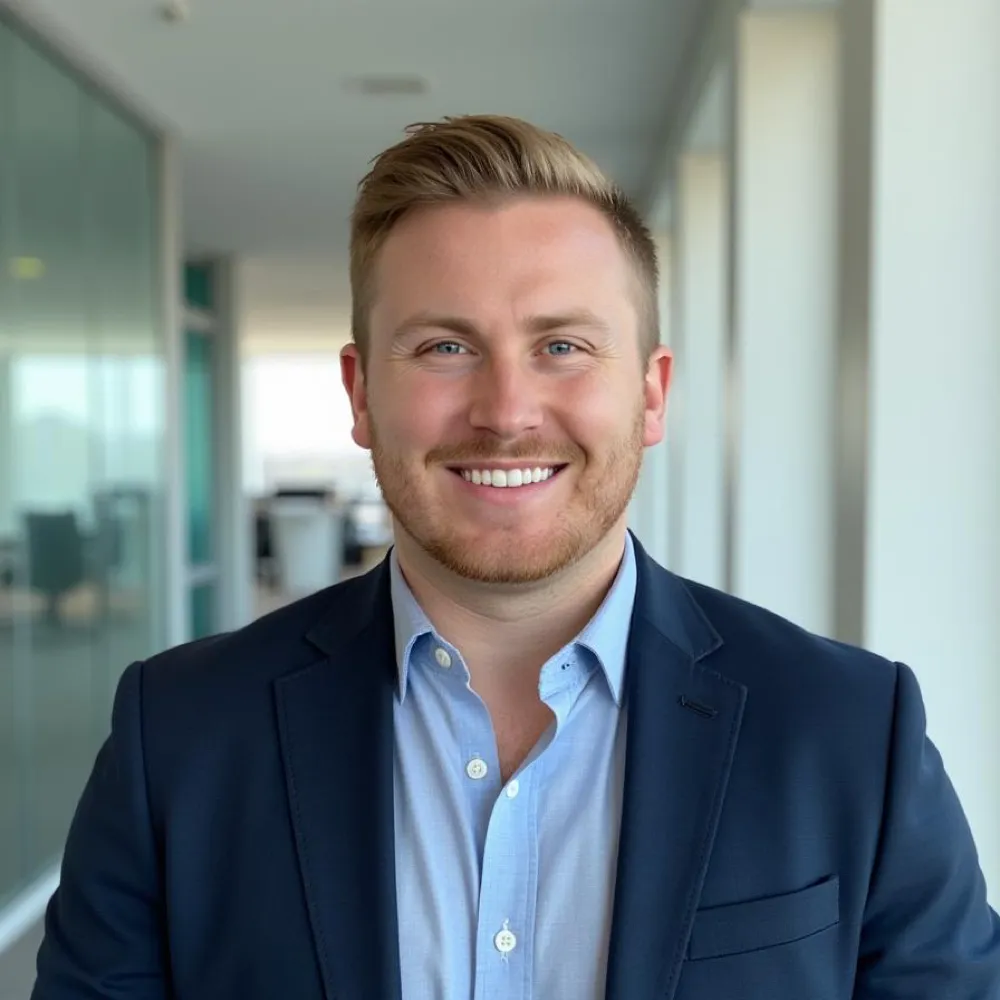
Jeff Wilson
Lead Operations & Technology

Marsha Staton Sweet
Operations & Client Success

Abe Brown
Advisor
Stay Connected. Keep Growing.
Flourishing is a journey—and we’re here to walk it with you.
Join our newsletter for the latest insights, tools, and stories to help you, your team, and your organization thrive. You'll also get access to new blog posts exploring emotional health, leadership, personal growth, and purpose-driven culture.

Whole-Person Success: Integrating Well-Being, Purpose, and Performance
Whole-Person Success: Integrating Well-Being, Purpose, and Performance
Create space for individuals to grow fully—and organizations to grow stronger.
The New Metric of Success
In the past, success was synonymous with output. People were celebrated for how much they could produce, how long they could push, and how efficiently they could execute. But today’s world demands a new understanding—one that reflects the evolving needs of both people and workplaces.
Whole-person success is emerging as a transformative standard—redefining what it means to succeed in the modern workplace. It acknowledges that:
Well-being is not optional—it’s foundational.
Purpose is not a perk—it’s a driver.
Performance is not sustainable without personal alignment.
To meet this moment, organizations must create environments where people don’t have to sacrifice their health, meaning, or humanity to meet their goals. Instead, they must create cultures where individuals can:
Feel well—psychologically safe, emotionally resilient, and physically supported.
Live with purpose—knowing their strengths contribute to something that matters.
Perform effectively in meaningful - leveraging their natural talents in ways that energize, not deplete.
This is not just a soft “people-first” sentiment. It’s a strategic leadership shift rooted in science, data, and impact.
The Risks of Ignoring the Whole Person
Too many workplaces still operate under the outdated “Fix-It Model”—where the focus is on correcting what's wrong rather than developing what’s right. In the short term, this model drives output. But long-term, it drives depletion.
Organizational costs:
Declining innovation due to fear-based thinking
High burnout masked as busy productivity
Teams that plateau instead of progress
Leaders trapped in crisis response instead of strategic growth
Personal costs:
Declining energy, morale, and emotional well-being
A growing sense of disconnection and invisibility
Talented people quietly disengaging or burning out
When people feel like cogs instead of contributors, they stop growing—and so does the organization that depends on them.
Why Whole-Person Success Matters
The organizations that will thrive in this new era are the ones who create the conditions for people to flourish. And that means going beyond surface-level perks or wellness programs. It means building ecosystems of trust, alignment, and growth.
When whole-person growth is prioritized:
Engagement spikes - People connect deeply to their work.
Innovation grows - Strengths fuel creative contributions.
Retention improves - People stay when they feel valued and seen.
Resilience increases - Teams bounce forward from adversity.
Leadership deepens - Employees take ownership, not just instruction.
As the nature of work becomes more complex, it requires more human complexity—emotional agility, adaptability, purpose, and collaboration. These are traits that don’t come from pressure. They come from psychological safety and strengths-based development.
The Science Behind the Shift
Research in neuroscience and positive psychology has confirmed what many of us feel instinctively:
The brain grows best in environments of psychological safety.
Motivation increases when people act from their strengths.
Purpose leads to perseverance and creative problem-solving.
Fixating on weakness shrinks confidence, energy, and engagement.
The key to unlocking performance is not fixing broken parts. It’s activating what’s already strong—and giving it space to grow.
From Surviving to Thriving: The Shift in Action
Moving from a survival-based culture to a thriving culture doesn’t happen overnight. But it does begin with one intentional shift:
· See people not just as workers—but as whole humans.
· And then, back that perspective with systems, strategies, and leadership practices that honor the integration of well-being, purpose, and performance.
4 Strategies for Building Whole-Person Success
Where human potential and organizational performance meet.
Creating a flourishing workplace means going beyond checklists and perks. It’s about embedding well-being, purpose, and performance into the core operating system of your organization. These four strategies create space for individuals to thrive personally—while strengthening your organizational culture from the inside out.
Here are four research-backed, field-tested strategies that organizations can implement to grow whole-person capacity and sustainable performance:
1. Name and Claim Strengths
“You can’t grow what you haven’t named.”
Context:
Many individuals are unaware of what they do well because their strengths feel “natural.” As a result, untapped potential remains dormant. Recognizing strengths is the foundation of personal energy, role fit, and long-term development. For organizations, it's how you build high-functioning, fulfilled teams.
Practical Examples:
Team Mapping Session: Use the Flourishing Life Questionnaire (FLQ) to identify the top 3 strengths of each team member. Create a shared “Strengths Map” so teams can see where collective energy and gaps exist.
Onboarding Integration: New hires go through a strength discovery process and share one strength story that shaped who they are today.
Strengths Spotlights: Weekly meetings begin with a “Strength in Action” highlight, where a team member shares how they used a core strength to overcome a recent challenge.
⚡️ Organizational Impact:
Confidence increases, collaboration improves, and people feel seen for their contribution—not just their compliance.
2. Reframe Setbacks Through Strengths
“Don’t ask what’s wrong—ask what strength needs to grow.”
Context:
When problems arise, default thinking leads to self-doubt, blame, or withdrawal. But when organizations encourage people to reframe setbacks through the lens of capability, they unlock a powerful feedback loop: failure becomes fuel for development, not evidence of inadequacy.
Practical Examples:
Project Postmortems: Instead of “What went wrong?”, ask,
“What strength wasn’t activated here?”
“What strength was overused or underused?”
Performance Coaching: A team member misses a deadline. Instead of focusing on time management alone, a manager explores how the person’s strength of curiosity may have led them to dive too deep, and how they might better balance curiosity with focus.
Self-Check Tools: Introduce a quick-reflection card that asks,
“What strength did I lean on today? What challenge might be an invitation to stretch it further?”
⚡️ Organizational Impact:
You foster a psychologically safe culture where learning is normalized and growth is self-directed.
3. Stretch What’s Strong
“High performers grow by deepening their strengths.”
Context:
In conventional development models, people are often asked to “fix” their weaknesses. But this dilutes energy and stalls momentum. Stretching what’s strong unlocks innovation, mastery, and long-term engagement.
Practical Examples:
Strength-Driven Role Design: A customer service rep with strengths in empathy and storytelling is given the opportunity to design onboarding content for clients—expanding their influence beyond their daily tasks.
Cross-Functional “Stretch Teams”: Create short-term project teams based on complementary strengths (e.g., someone strong in structure paired with someone high in vision) to prototype new solutions.
Growth Plans With Purpose: Instead of “areas for improvement,” development plans focus on:
“How can we amplify the impact of this strength in your next challenge?”
⚡️ Organizational Impact:
People step into leadership organically, talent becomes scalable, and capacity grows without burning people out.
✅ 4. Align Strengths With Purpose
“Strengths without purpose create activity. With purpose, they create impact.”
Context:
Purpose is the fuel that turns daily effort into meaningful work. When individuals see how their personal strengths contribute to something greater, motivation shifts from extrinsic (“get it done”) to intrinsic (“this matters to me”).
Practical Examples:
Purpose Statement Workshops: Have employees complete the sentence:
“I use my strengths of ___ and ___ to contribute to ___ because it matters to me.”
These statements are shared across teams or posted in workspaces.
Mission-Driven Reviews: Instead of starting with metrics, reviews begin by asking,
“How has your work aligned with what matters most to you this quarter?”
This fosters deeper conversations about role fit and cultural alignment.
Recognition with Meaning: Celebrate wins by linking the achievement to both the person’s strength and the organization’s mission.
“Jessica used her strength of adaptability to help us serve a client in crisis—and in doing so, advanced our value of compassion.”
⚡️ Organizational Impact:
Retention rises, teams become intrinsically motivated, and people connect deeply to their work and your mission.
Final Reflection: Success That Sustains
Whole-person success is not just about making people feel good. It’s about helping people function at their best—in ways that also make your organization better.
When you integrate well-being, purpose, and performance into how people grow, you create cultures that don't just survive challenge—they transform through it.
Because when people grow fully, organizations grow stronger.
🧭 Next Steps:
Ready to nurture whole-person capacity and success?
Take the first step - connect for a discovery session




© 2026 Flourishing Life Technologies, Inc.
All Rights Reserved